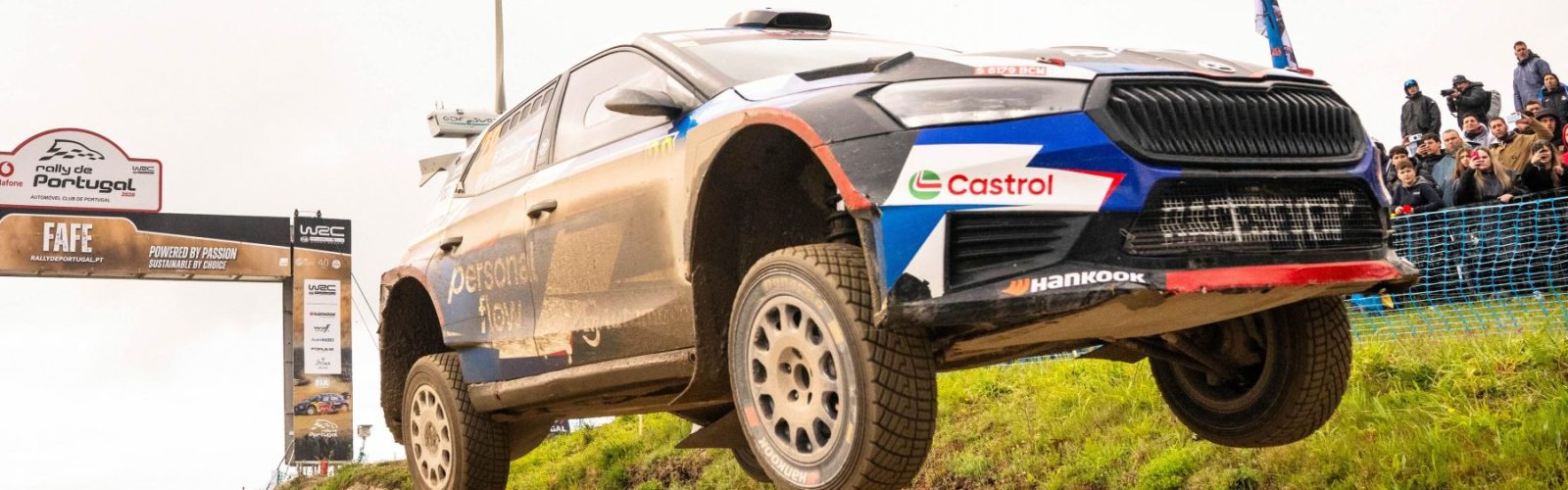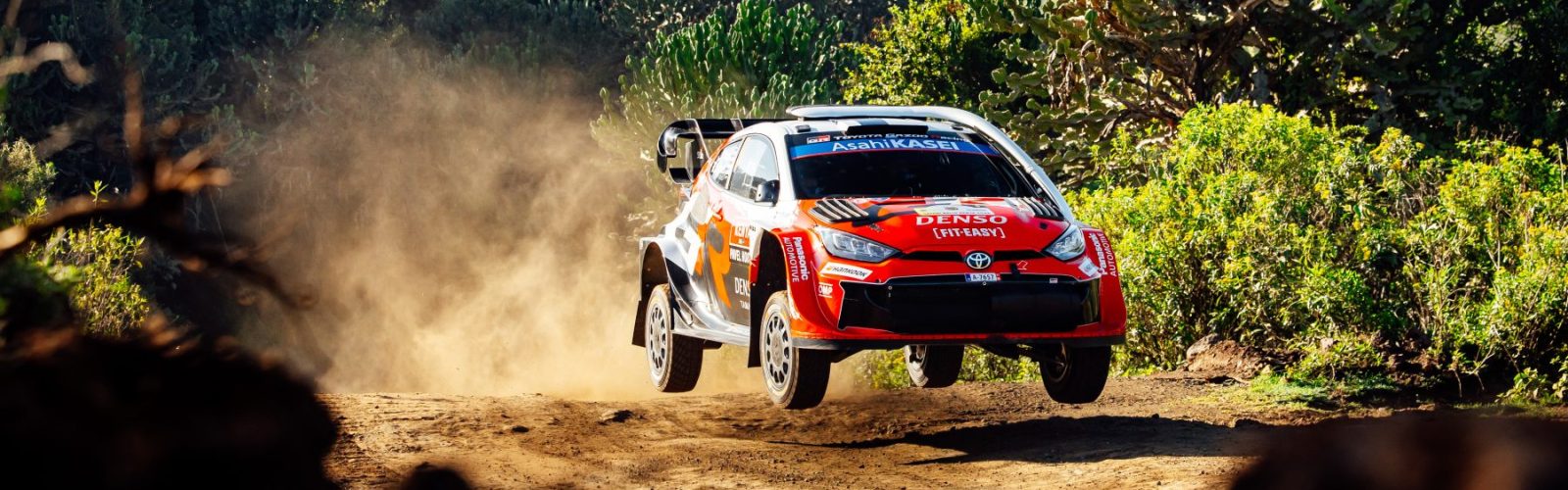
The 2026 World Rally Championship resumes with a milestone. For the first time in series history, the entire second half of the season is to be staged on gravel.
How might that affect things? You’re in the right place if you’re keen to explore.
As the season resumes this weekend with Acropolis Rally Greece, round eight of 14, let’s tackle the big questions ahead of WRC 2026’s second half.
Will Evans finally become world champion?
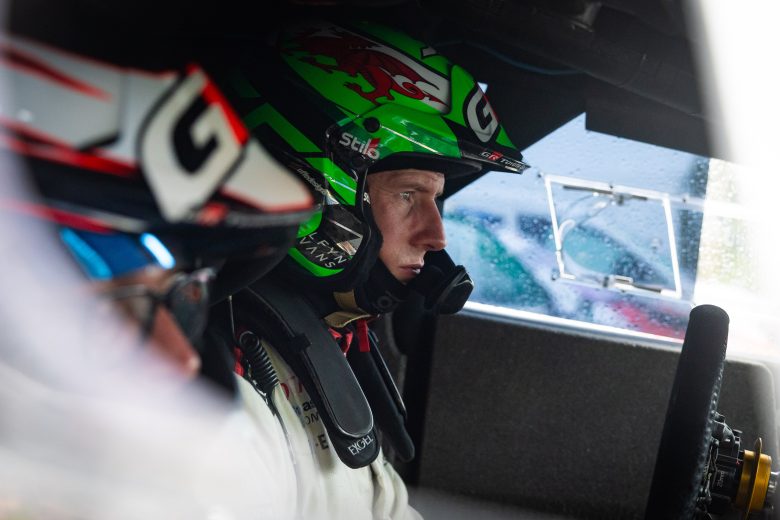
Save for a ropey 2022 season where he ended the final standings fourth (and without a win), Elfyn Evans has been runner-up in the world championship ever since Toyota employed him.
Much like Thierry Neuville two years before him, surely five silver medals is enough? The Welshman is due a title, but will it be 2026?
Road position will likely be decisive. In Portugal Evans demonstrated he’s made steps running as first car on gravel, but the tests are only going to get tougher – not least this week in Greece.
The other factor is the opposition. Evans’ driving is matching the same immaculate level it was last year, but we all know that still wasn’t enough to defeat Sébastien Ogier. Can Oliver Solberg, Ogier or anyone else produce the same sort of late season surge this time around?
Will Pajari become a WRC winner?
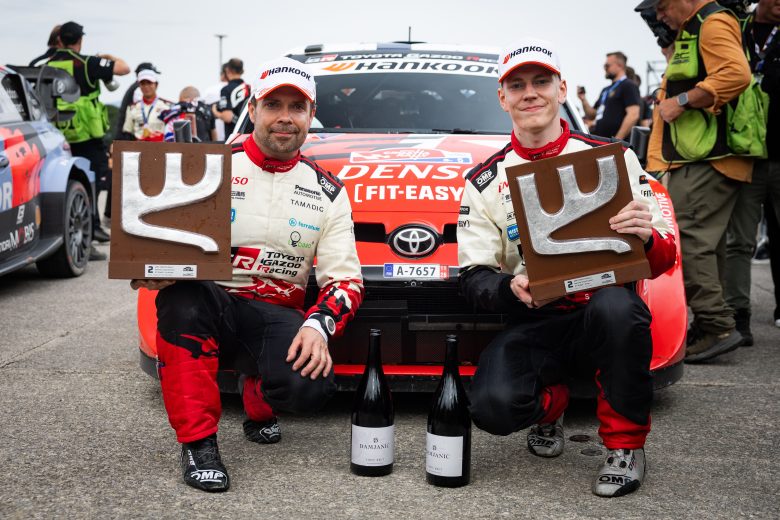
It’s all he’s missing, isn’t it?
The Finn’s form has been so good over the first half of 2026 that we ranked him the third best driver of the season so far – you can see the full ranking by signing up to Club DirtFish.
Five podiums from seven starts is a record only Evans can match, but while Evans has won twice Pajari has failed to grace the top step of the podium.
Without question, that will be his target for the next seven rallies. But can he do it? And if so, where?
Will Fourmaux also become a WRC winner?
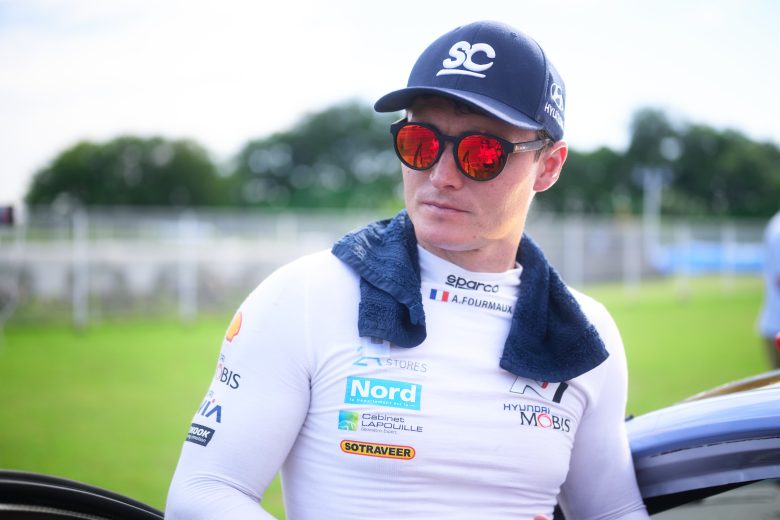
Takamoto Katsuta’s beaten Adrien Fourmaux to it, but Katsuta can claim to be driving the WRC’s best car. Fourmaux can’t.
Certainly that applies to Tarmac, but the Hyundai is far more competitive on gravel and at least for the third quarter of the season, Fourmaux will benefit from a lower start position.
If Pajari looks destined to become a WRC winner, Fourmaux is guaranteed to become one. He’s clearly good enough, but how much longer will he have to wait?
Can Solberg find some consistency?
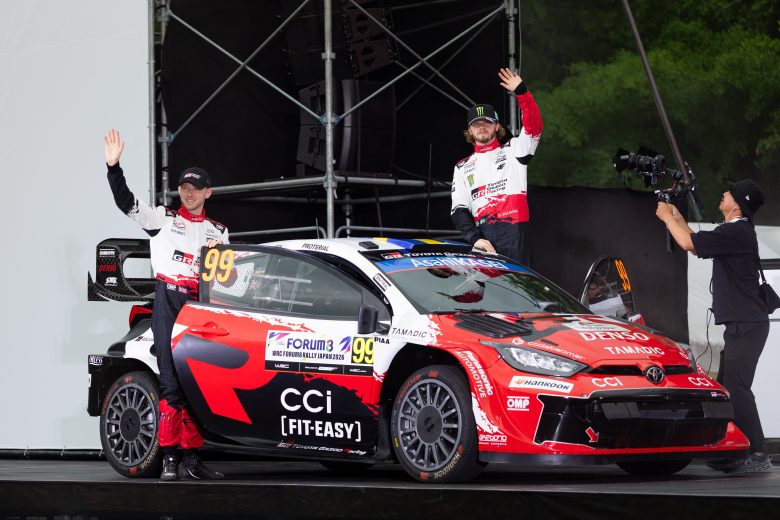
The verdict on Oliver Solberg’s 2026 season so far depends on how you choose to view him.
Is he a two-time WRC winner and title contender, or a driver in his first full season in a Rally1 car? In reality he’s both – and that’s what makes such an assessment difficult.
The Swede’s speed has been sensational, winning 41 stages to Ogier’s 27. But he’s made too many mistakes and finds himself 49 points behind team-mate Evans as a result, despite leading the championship after Monte Carlo.
However if Solberg can eliminate the errors, he’s in for an ultra-successful second half of the season. That championship deficit gives him an advantage his raw pace doesn’t even need in terms of road position – let’s see how effectively he uses it.
How will Hyundai perform?
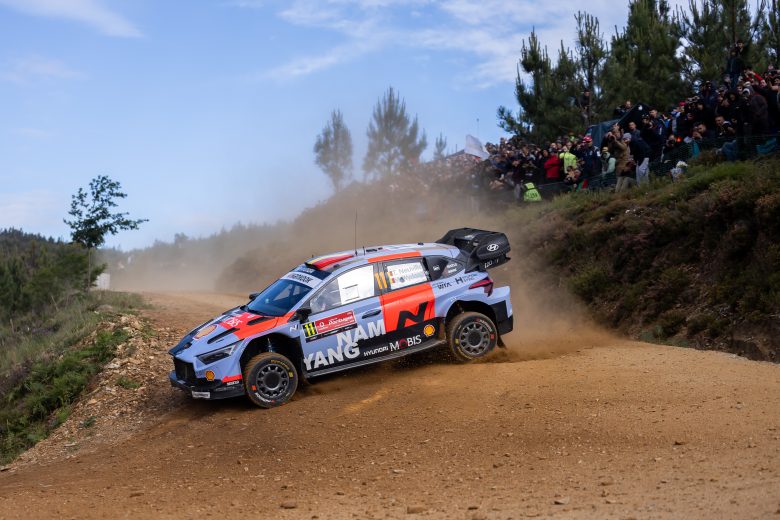
On both of the last two Tarmac events, Hyundai failed to even nick a stage win from Toyota, let alone record a podium or victory. But on gravel, it’s one win apiece thanks to Katsuta (Kenya) and Thierry Neuville (Portugal).
Game on, then?
For the championship, it’s unlikely. Toyota hasn’t suddenly lost pace and Hyundai’s scored just 65% of its manufacturers’ points total. But the fight on each individual event promises to be far closer, which is a win for all concerned.
Let’s see if that thesis proves correct.
Will the M-Sport trend continue?
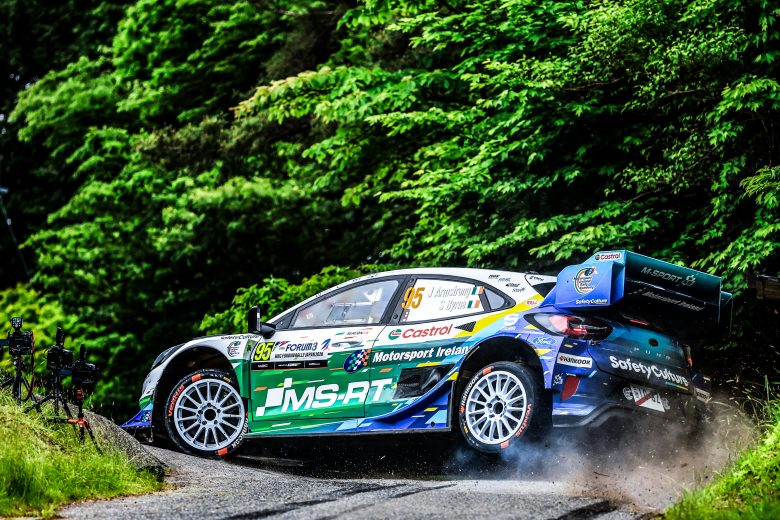
Over the first half of 2026, M-Sport’s Josh McErlean was outperformed by his new team-mate, and Rally1 debutant, Jon Armstrong.
Not everywhere it has to be said, but in the main it was Armstrong who made the bigger impression of the two Puma-driving Irishmen.
Will this trend continue? And how high can either of them finish on an event? McErlean’s best WRC finish is seventh and Armstrong’s eighth, but the latter has hopes of a top-five before the year is out and dreams of a podium.
Then there’s Mãrtiņš Sesks, who’ll start five of the final seven rounds of the year. Despite his brilliance on certain events, the Latvian has still never stood on a WRC podium. Will he put that right this year?
Who’ll win WRC2?
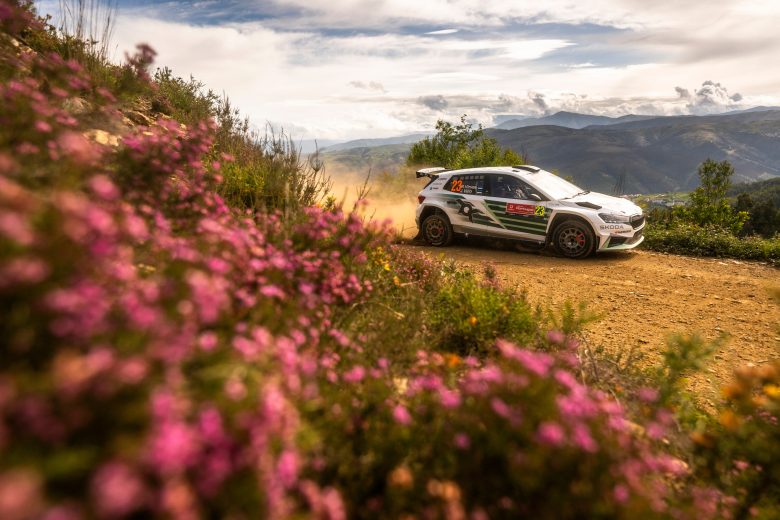
Given the structure of the championship, WRC2 is never the simplest season narrative to follow. But even considering that, no clear championship favorite has emerged.
Lancia’s Yohan Rossel is the only repeat winner of 2026 thus far, but both those successes were on Tarmac (a surface that will no longer feature) and he’s also forced to carry forward at least one non-score after bad weekends in Monte Carlo and Portugal.
Team-mate Nikolay Gryazin’s name therefore tops the standings at this stage, but his championship hand doesn’t appear the strongest either.
Cast your eyes further down the table and names like Teemu Suninen (one win, one second place) and Robert Virves (one win) appear to be the dangermen. But what results can they achieve on their remaining points-scoring rounds? Will Suninen even cobble enough budget together to be a sustained threat?
Then there’s Roope Korhonen, Alejandro Cachón, Gus Greensmith and several more to consider in this mix, too…
Acropolis Rally Greece is our first opportunity to start answering these questions.
Will Katsuta remain in championship contention?
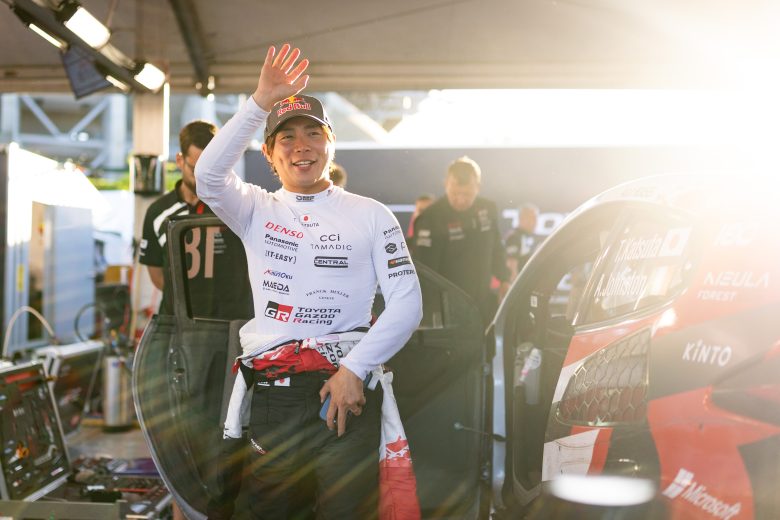
Takamoto Katsuta led the World Rally Championship almost by accident in Croatia, following back-to-back WRC wins. Those two wins succeeded a second place in Sweden, too.
Since then, the Japanese driver has failed to make the podium and although has finished ahead of some of them, has been outperformed by all four of his Toyota team-mates.
However Katsuta’s consistency places him second in the standings after seven events, 20 points shy of leader Evans.
Will he remain a player in this title race, or slowly start to drift from contention as the year progresses?
Carlberg or Türkkan for Junior WRC title?
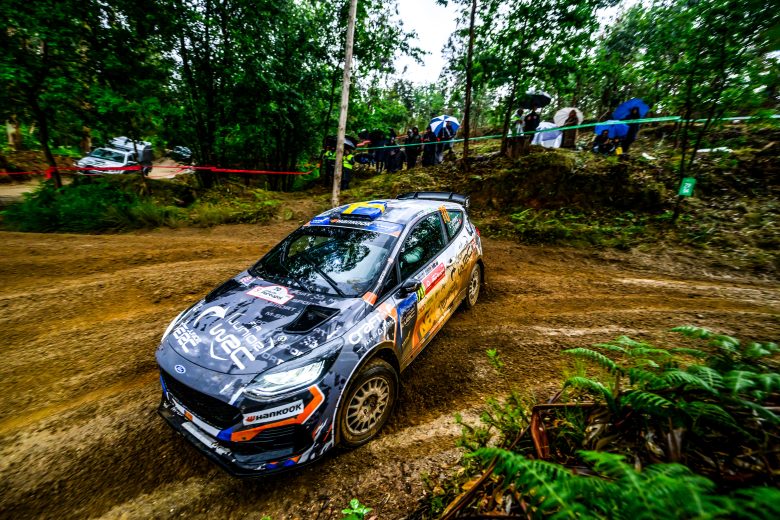
Especially with a double-points finale, it’s impossible to completely rule anybody out. But barring any major disasters, it appears likely either Calle Carlberg or Ali Türkkan will be this year’s Junior World Rally champion.
Swede Carlberg currently leads Turk Türkkan by two points after three of the five rounds, with a competitor’s best four scores to count. Carlberg won in Sweden while Türkkan took top spot in Croatia and Portugal, but Carlberg has won 34 stages to Türkkan’s 14 – and each stage win is worth one championship point in Junior WRC.
It’s a tough one to call. If Carlberg strings it all together he is probably the narrow favorite, but since when have things been that simple to predict in rallying?
Will Ogier stick to his promise?
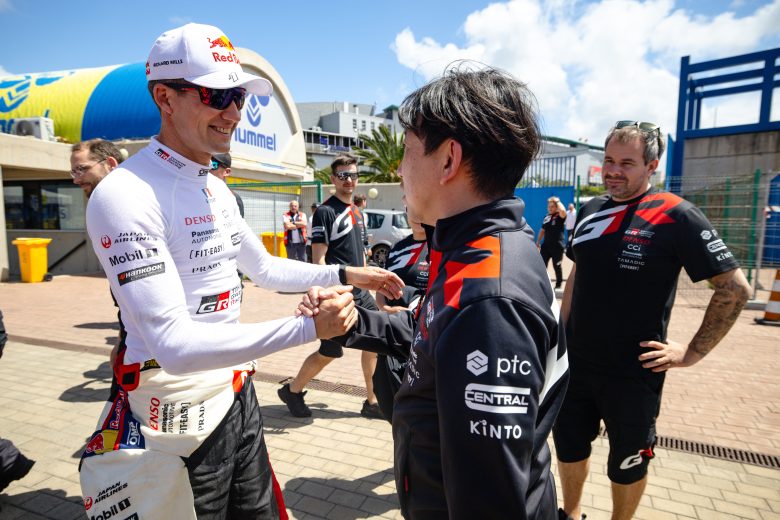
Fresh from winning a record-equalling ninth title in 2025, Sébastien Ogier made his move to stop the speculation.
“I want to close the mouth of the people who just say ‘oh he just comes when he feels it’s easier or whatever’ so just simple: you look [at the] the calendar, when it’s a German school holiday I won’t be there and otherwise I will make 10 rallies. And that’s it,” he said.
Acropolis Rally Greece will be Ogier’s sixth start of 2026, with the succeeding Rally Estonia his seventh. That means Ogier will contest three of the final five events.
Looking at the German school vacation schedule (whoever thought my job as a rally journalist would lead me to do that…), he won’t be in Chile and Paraguay as they fall within the summer holidays.
Therefore we should also expect to see Ogier in Finland, Sardinia and Saudi Arabia. Will we? As much as he wanted to end speculation quickly in December, plans change in rallying – Ogier himself proved that in 2025. So while we can consider this his likely schedule, it’s not a 100% certainty.