When it comes to the rallying credentials of the most senior incumbent figures at the FIA, little needs saying.
FIA president Mohammed Ben Sulayem was a competitor for three decades. Malcolm Wilson, his deputy, built M-Sport from the ground up into one of the most successful and longest-running rallying firms ever and is a champion driver in his own right.
Tim Mayer, who looks set to become Ben Sulayem’s main opposition in this December’s FIA election, does not have this background. He’s been involved in running IndyCar, the American Le Mans Series and acted as an FIA steward. The surname is no coincidence: his father was Teddy Mayer, co-founder of McLaren.
But attending Rally Chile earlier this month, Mayer spelled out his vision for rallying under his potential FIA stewardship to DirtFish.
Top of the list was car affordability. Group N cars continue to be a staple of national championships in continents like South America, Asia and Africa, despite those cars being out of production for close to two decades.
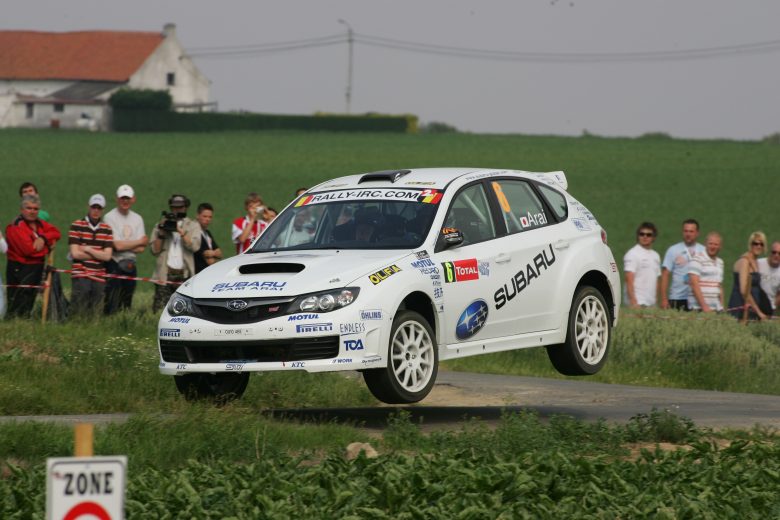
Group N cars used to be ten-a-penny internationally until the R5/Rally2 revolution
Mayer wants a rethink. He’s plotting a way to bring rallying back to its production roots at national level.
“For me, the real job of the FIA is to support our member clubs,” Mayer told DirtFish. “And that means supporting rallying. That means really looking forward at what we can do for rally over the next 10, 20 years. That means planning. It means looking forward and thinking about what we do for powertrains, what we do for the construction of the cars.
“There’s a few elements to that that are fundamental that we really need to take a step back and think about the future of rally.
“As an example, we’ve gone away over the years from production-based rally cars. I think this is an area that we really need to refocus on. How do we make production-based rally cars so that the sport can be more affordable?
“The R1, R2, R5 cars, these are great cars if you’re based in Europe. If you’re based in Africa, for instance, or you’re based here in Chile for instance, they’re very expensive cars. They’re very difficult to get a hold of. They’re very difficult to maintain. So we’ve got to really fundamentally rethink how we approach rally.”
There are safety implications. Rally2 through Rally5 brought about huge leaps forward in competitor safety. But Mayer insisted that simplifying rally cars didn’t mean taking a step back on safety.
“Safety is incredibly important but it is possible to have safe production-based rally cars,” said Mayer. “The technology now exists for us to go in and do the research and development on the roll cages, on the safety spaces that you need and to work with the manufacturers, to work with the local cars, or to keep the speeds down so that you’re not always going for the ultimate speed with a production-based car.
“For instance, they make [Volkswagen] Polos and Hyundais in Africa. Those kinds of cars ultimately need to be able to be made into the rally car. If not, we’re going to lose large chunks of the world from the rally community.”
Mayer’s selection of deputies and vice presidents will be unveiled on October 24. The election takes place on December 12.